
Table of Contents
📂 Key Takeaways
- Mobile vs Immobile is Key: The single most important diagnostic factor is whether symptoms appear on lower/older leaves (mobile nutrients) or new growth/upper leaves (immobile nutrients). This immediately narrows down possible deficiencies and guides treatment.
- pH is the Primary Culprit: Most nutrient deficiency symptoms result from pH lockout rather than actual nutrient shortage. Wrong pH prevents plants from absorbing available nutrients. Always check and correct pH before adding more nutrients.
- Diagnosis Process: Follow this order every time: 1) Check pH and correct if needed, 2) Identify whether symptoms are on old or new growth, 3) Match specific symptoms to likely nutrients, 4) Treat the specific deficiency. Skipping steps leads to misdiagnosis and wasted time.
- Don’t Overfeed: Adding more nutrients doesn’t fix deficiencies caused by pH lockout. In fact, overfeeding when pH is wrong can cause nutrient burn on top of deficiency symptoms. Fix pH first, then assess whether additional nutrients are needed.
- Prevention is Everything: Maintaining proper pH (6.0-7.0 for soil, 5.5-6.5 for hydroponics), using quality complete nutrients, following appropriate feeding schedules, and monitoring plants regularly prevents 95% of nutrient problems. Prevention is far easier than treatment.
🔍 Introduction: Understanding Nutrient Problems
Nutrient deficiencies are among the most common problems in cannabis cultivation. Understanding how to diagnose and treat these issues is essential for maintaining healthy plants and achieving maximum yields. However, nutrient problems are often misdiagnosed, leading to treatments that don’t work or even make problems worse.
The key to successful troubleshooting is understanding that most apparent nutrient deficiencies aren’t caused by lack of nutrients. Instead, they result from pH problems that prevent plants from absorbing available nutrients—a condition called nutrient lockout. Adding more nutrients when pH is wrong doesn’t solve the problem and can create nutrient burn on top of deficiency symptoms.
This guide provides a systematic approach to diagnosing and treating nutrient problems. You’ll learn to distinguish between mobile and immobile nutrient deficiencies, identify specific deficiency symptoms, understand pH and nutrient lockout, implement effective treatments, and prevent problems before they occur.
Successful nutrient management requires understanding plant physiology, careful observation, and systematic problem-solving. By following the diagnostic process outlined in this guide, you can identify problems accurately and implement treatments that work. For comprehensive information on cannabis nutrition, see our Cannabis Nutrients Buyer’s Guide.
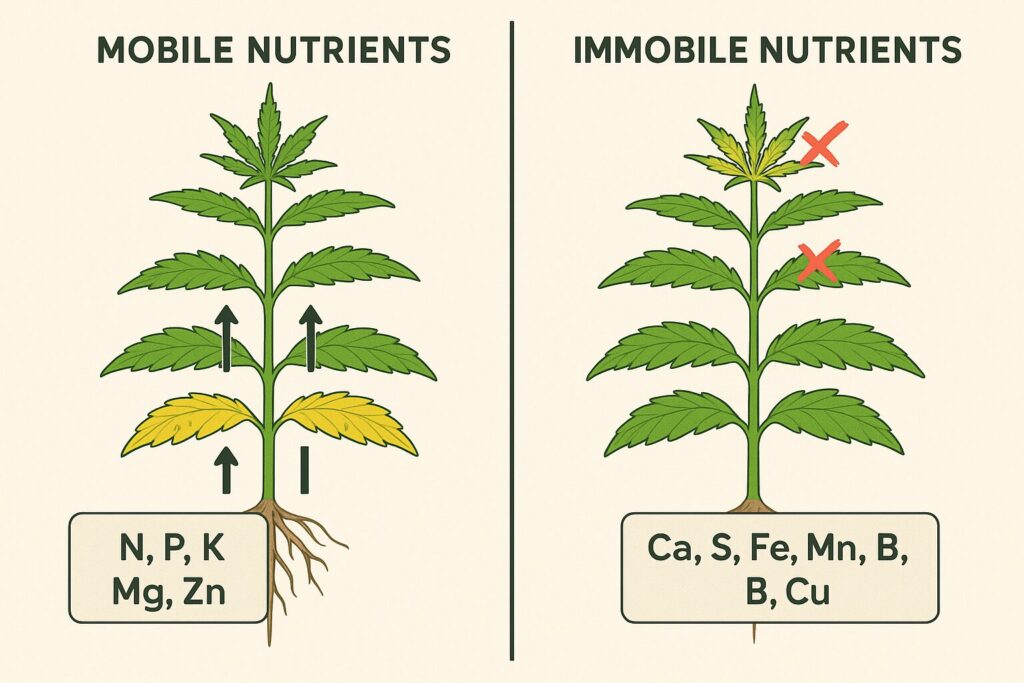
Figure 1: Mobile nutrients move from old to new growth when deficient (symptoms on lower leaves); immobile nutrients cannot move (symptoms on new growth)
📊 Mobile vs Immobile Nutrients
Understanding nutrient mobility is the foundation of accurate deficiency diagnosis. Nutrient mobility determines where deficiency symptoms appear on the plant, providing the most important diagnostic clue.
What is Nutrient Mobility?
Nutrient mobility refers to a nutrient’s ability to move within the plant from older tissues to newer growth. When a mobile nutrient becomes deficient, the plant can translocate that nutrient from older leaves to support new growth. This causes deficiency symptoms to appear on older, lower leaves first while new growth remains healthy.
Immobile nutrients cannot be translocated within the plant. When an immobile nutrient becomes deficient, new growth suffers because the plant cannot move stored nutrients from old leaves to new growth. This causes deficiency symptoms to appear on new growth and upper leaves first while older leaves remain healthy.
Mobile Nutrients
Mobile nutrients can move from old to new growth when supplies are limited. Cannabis has five mobile nutrients:
Nitrogen (N): The most mobile nutrient. Critical for vegetative growth, protein synthesis, and chlorophyll production. Deficiency causes uniform yellowing of lower leaves progressing upward.
Phosphorus (P): Mobile nutrient essential for energy transfer, root development, and flowering. Deficiency causes dark green leaves with purple stems and brown spots on lower leaves.
Potassium (K): Mobile nutrient critical for water regulation, disease resistance, and flower development. Deficiency causes yellowing and browning of leaf edges and tips on lower leaves.
Magnesium (Mg): Mobile nutrient and component of chlorophyll. Deficiency causes interveinal chlorosis (yellowing between veins while veins remain green) on lower leaves.
Zinc (Zn): Somewhat mobile micronutrient involved in enzyme function and growth regulation. Deficiency causes interveinal chlorosis and twisted growth, typically starting on lower-middle leaves.
Immobile Nutrients
Immobile nutrients cannot move from old to new growth. Cannabis has seven immobile nutrients:
Calcium (Ca): Immobile nutrient essential for cell wall structure and growth. Deficiency causes distorted new growth, brown spots on new leaves, and blossom end rot.
Sulfur (S): Immobile nutrient needed for protein synthesis and chlorophyll production. Deficiency causes yellowing of new growth similar to nitrogen deficiency but on upper leaves.
Iron (Fe): Immobile micronutrient essential for chlorophyll production. Deficiency causes bright yellow new growth with green veins (interveinal chlorosis on new leaves).
Manganese (Mn): Immobile micronutrient involved in photosynthesis and enzyme activation. Deficiency causes interveinal chlorosis on new growth with brown spots.
Boron (B): Immobile micronutrient critical for cell wall formation and reproductive growth. Deficiency causes brittle, twisted new growth and hollow stems.
Copper (Cu): Immobile micronutrient involved in photosynthesis and enzyme function. Deficiency causes dark green leaves with dead spots on new growth.
Molybdenum (Mo): Immobile micronutrient needed for nitrogen metabolism. Deficiency causes yellowing and cupping of middle and older leaves (unusual pattern).
Why Mobility Matters for Diagnosis
Nutrient mobility provides the most important diagnostic clue for identifying deficiencies. Before examining specific symptoms, simply identifying whether symptoms appear on old or new growth immediately narrows the possibilities:
Symptoms on lower/older leaves = Mobile nutrient deficiency (N, P, K, Mg, Zn)
Symptoms on new growth/upper leaves = Immobile nutrient deficiency (Ca, S, Fe, Mn, B, Cu)
This simple observation eliminates half the possibilities and guides you toward the correct diagnosis. Once you’ve identified mobile vs immobile, you can examine specific symptoms to determine which nutrient is deficient.
📂 The Diagnosis Process
Accurate diagnosis requires a systematic approach. Following these steps in order ensures you identify problems correctly and implement effective treatments.
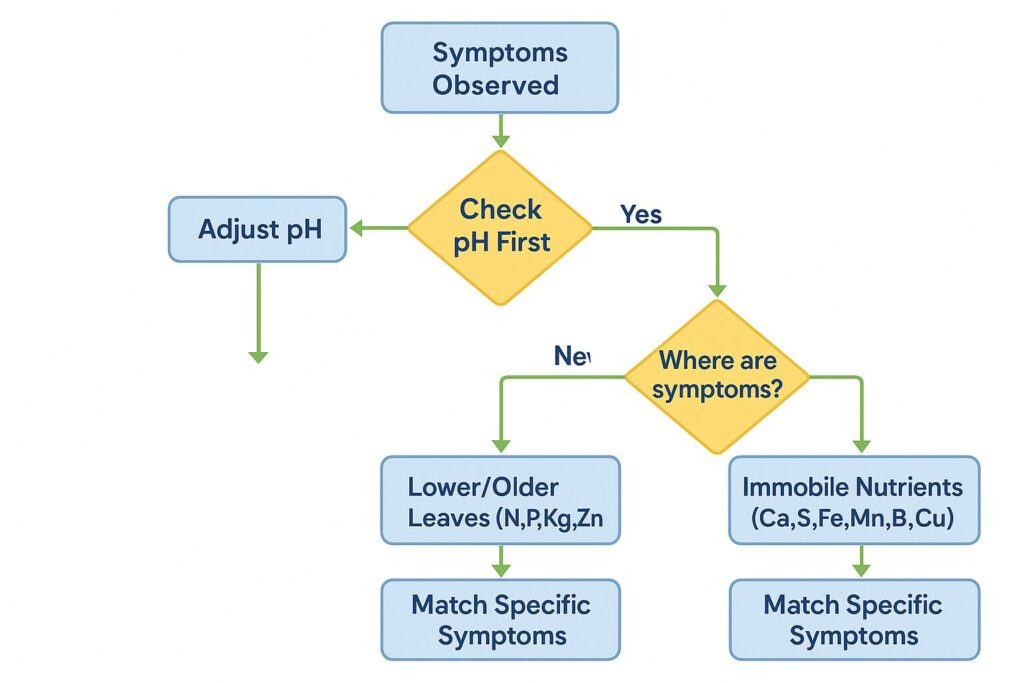
Figure 2: Step-by-step flowchart for diagnosing nutrient deficiencies
Step 1: Check pH First
pH is the most common cause of nutrient deficiency symptoms. Before examining symptoms or considering nutrient additions, always check pH first.
Why pH Matters:
Nutrient availability depends on pH. Each nutrient is available to plants only within specific pH ranges. When pH is outside optimal ranges, nutrients become “locked out”—they’re present in the growing medium but plants cannot absorb them. This causes deficiency symptoms even when nutrients are adequate.
How to Check pH:
Measure pH of nutrient solution before feeding (for all growing methods) and runoff water after feeding (for soil and soilless growing). For hydroponics, check reservoir pH daily. Use quality digital pH meters or pH test drops—cheap meters provide inaccurate readings that lead to problems.
Optimal pH Ranges:
Soil: 6.0-7.0 (6.3-6.8 optimal) Soilless (coco, peat): 5.8-6.5 (6.0-6.3 optimal) Hydroponics: 5.5-6.5 (5.8-6.2 optimal)
If pH is Wrong:
Adjust pH before proceeding with diagnosis. Use pH Up (potassium hydroxide or potassium carbonate) to raise pH or pH Down (phosphoric acid or citric acid) to lower pH. After adjusting pH, wait 24-48 hours to see if symptoms improve before treating for specific deficiencies.
Many apparent deficiencies resolve within days once pH is corrected. If you add nutrients before fixing pH, you’ll create nutrient burn without solving the deficiency.
Step 2: Identify Symptom Location
Once pH is confirmed correct (or after correcting pH and waiting 24-48 hours), identify where symptoms appear on the plant.
Lower/Older Leaves:
Symptoms starting on lower, older leaves and progressing upward indicate mobile nutrient deficiency. Possible deficiencies: Nitrogen (N), Phosphorus (P), Potassium (K), Magnesium (Mg), or Zinc (Zn).
New Growth/Upper Leaves:
Symptoms appearing on new growth, upper leaves, or growing tips indicate immobile nutrient deficiency. Possible deficiencies: Calcium (Ca), Sulfur (S), Iron (Fe), Manganese (Mn), Boron (B), or Copper (Cu).
Throughout the Plant:
Symptoms appearing on both old and new growth simultaneously usually indicate pH lockout affecting multiple nutrients, severe deficiency of multiple nutrients, or environmental stress rather than simple nutrient deficiency.
Step 3: Match Specific Symptoms
After identifying mobile vs immobile, examine specific symptoms to determine which nutrient is deficient.
Key Symptom Characteristics:
- Color: Yellowing (chlorosis), browning (necrosis), purple/red discoloration
- Pattern: Uniform, interveinal (between veins), tips/edges, spots
- Texture: Brittle, soft, curled, twisted
- Progression: How symptoms spread and develop over time
Compare observed symptoms to the detailed descriptions in the following sections to identify the specific deficiency.
Step 4: Confirm Diagnosis
Before treating, confirm your diagnosis by checking:
Growing Medium: What nutrients have been provided? When was the last feeding? What is the feeding strength?
Environmental Conditions: Temperature, humidity, and light intensity affect nutrient uptake. Extreme conditions can cause symptoms that mimic deficiencies.
Plant Stage: Nutrient requirements change between vegetative and flowering stages. What’s normal for one stage may indicate deficiency in another.
Progression: How quickly are symptoms developing? Rapid progression indicates severe deficiency or pH lockout. Slow progression may indicate minor deficiency or environmental stress.
Once you’ve confirmed the diagnosis, implement appropriate treatment as described in the Treatment Strategies section.
🔧 Macronutrient Deficiencies
Macronutrients are required in large quantities and are the most commonly deficient nutrients in cannabis cultivation. The three primary macronutrients are nitrogen (N), phosphorus (P), and potassium (K).
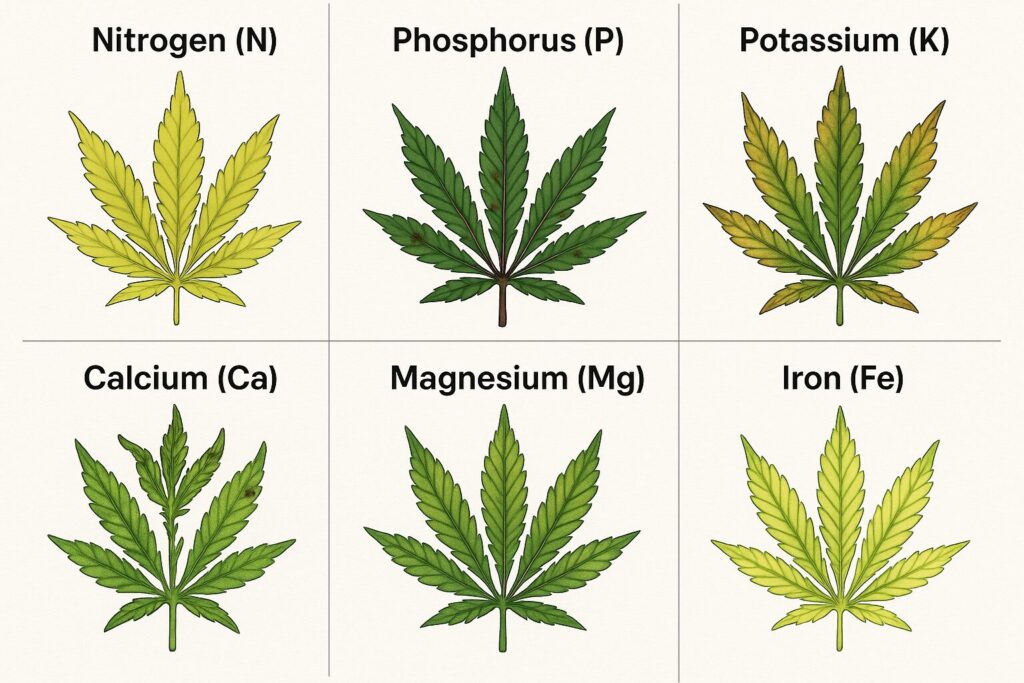
Figure 3: Visual guide to six most common nutrient deficiencies in cannabis
Nitrogen (N) Deficiency
Nitrogen is the most commonly deficient nutrient in cannabis cultivation. It’s essential for vegetative growth, protein synthesis, and chlorophyll production.
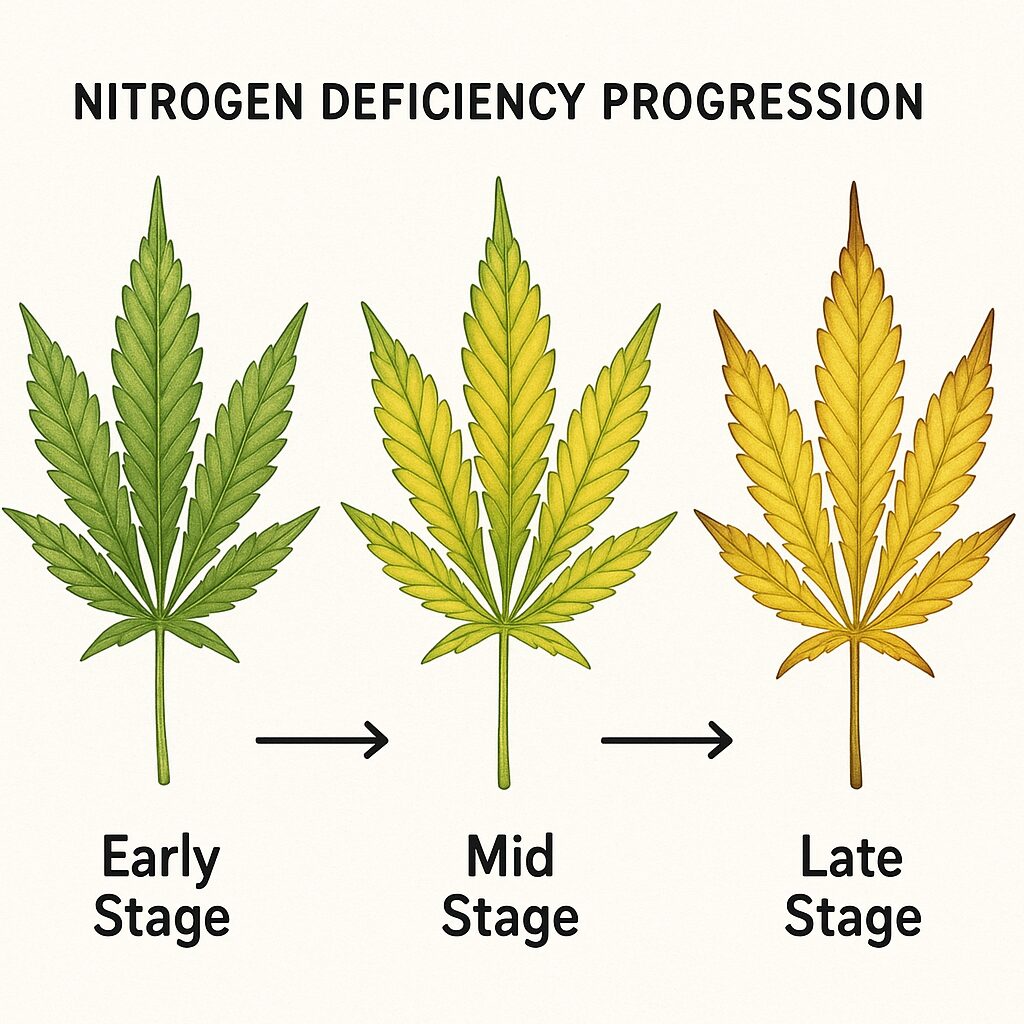
Figure 4: Progression of nitrogen deficiency from early to late stage
Symptoms:
Early stage nitrogen deficiency causes lower leaves to become pale green or light yellow. The yellowing is uniform across the entire leaf, not just between veins or at edges. As deficiency progresses, yellowing moves up the plant to middle and upper leaves. Severely deficient leaves turn completely yellow, then brown and crispy before falling off.
Growth slows significantly with nitrogen deficiency. Plants display thin stems, small leaves, and overall stunted appearance. Flowering plants with nitrogen deficiency produce smaller buds with reduced yields.
Causes:
Nitrogen deficiency commonly occurs during vegetative growth when demand is highest, in flowering when growers reduce nitrogen too much, with pH below 6.0 in soil or below 5.5 in hydroponics (nitrogen lockout), or in depleted soil without adequate fertilization.
Treatment:
Correct pH if needed, then provide nitrogen-rich fertilizer. For vegetative growth, use fertilizers with high nitrogen (high first number in NPK ratio, such as 10-5-5). For flowering, maintain moderate nitrogen (don’t eliminate it completely—cannabis needs nitrogen throughout flowering).
Foliar feeding with nitrogen-rich fertilizer provides fastest results. Spray diluted fertilizer (1/4 to 1/2 strength) on leaf undersides in early morning or late evening. Soil/medium feeding takes 3-7 days to show improvement.
Prevention:
Use quality complete fertilizers appropriate for growth stage. Don’t reduce nitrogen too drastically when transitioning to flowering—plants still need moderate nitrogen for healthy growth. Maintain proper pH to ensure nitrogen availability. For complete feeding information, see our Cannabis Nutrients Guide.
Phosphorus (P) Deficiency
Phosphorus is essential for energy transfer, root development, and flowering. Deficiency is less common than nitrogen deficiency but can significantly impact yields.
Symptoms:
Phosphorus deficiency causes leaves to become dark green or blue-green rather than yellowing. This dark coloration is a key distinguishing feature. Lower leaves develop purple or red stems and petioles (leaf stems). Brown or bronze spots appear on lower leaves, which may curl downward.
Growth slows and plants appear stunted. Root development is poor with phosphorus deficiency. Flowering is delayed and bud development is reduced. Leaves may become thick and leathery.
Causes:
Phosphorus deficiency occurs with pH above 7.0 in soil or above 6.5 in hydroponics (phosphorus lockout), in cold growing conditions (below 60°F—cold reduces phosphorus uptake), with calcium or zinc excess that interferes with phosphorus uptake, or in depleted soil without phosphorus fertilization.
Treatment:
Correct pH if needed—phosphorus availability is very pH-dependent. Ensure growing temperature is adequate (above 65°F). Provide phosphorus-rich fertilizer (high middle number in NPK ratio, such as 5-10-5).
For immediate results, use foliar feeding with phosphorus-rich fertilizer. Soil/medium feeding takes 5-10 days to show improvement. Phosphorus moves slowly in plants, so recovery is gradual.
Prevention:
Maintain proper pH (6.0-7.0 soil, 5.5-6.5 hydro). Keep growing temperature above 65°F. Use bloom fertilizers with adequate phosphorus during flowering. Don’t overfeed calcium or zinc, which can interfere with phosphorus uptake.
Potassium (K) Deficiency
Potassium is critical for water regulation, disease resistance, and flower development. Deficiency is common during flowering when potassium demand increases.
Symptoms:
Potassium deficiency causes yellowing and browning of leaf edges and tips, starting on lower leaves. The yellowing begins at leaf edges and progresses inward, creating a burned appearance. Leaf edges curl upward or downward. Brown, crispy spots appear on leaves, particularly near edges.
Stems may become weak and plants are more susceptible to disease and pests. Buds develop slowly and remain small with potassium deficiency. Severely deficient leaves die and fall off.
Causes:
Potassium deficiency occurs during flowering when demand is highest, with pH below 6.0 in soil or below 5.5 in hydroponics (potassium lockout), with calcium or magnesium excess that interferes with potassium uptake, or in depleted soil without potassium fertilization.
Treatment:
Correct pH if needed. Provide potassium-rich fertilizer (high third number in NPK ratio, such as 5-5-10). Bloom fertilizers are typically high in potassium.
Foliar feeding provides fastest results but potassium moves slowly in plants. Soil/medium feeding takes 5-10 days to show improvement. Continue potassium-rich feeding throughout flowering.
Prevention:
Use bloom fertilizers with high potassium during flowering. Maintain proper pH to ensure potassium availability. Don’t overfeed calcium or magnesium, which can interfere with potassium uptake. Monitor plants closely during flowering when potassium demand is highest.
🔧 Secondary Nutrient Deficiencies
Secondary nutrients (calcium, magnesium, sulfur) are required in moderate quantities. While less commonly deficient than primary macronutrients, secondary nutrient deficiencies can significantly impact plant health and yields.
Calcium (Ca) Deficiency
Calcium is essential for cell wall structure, growth, and disease resistance. It’s an immobile nutrient, so deficiency symptoms appear on new growth.
Symptoms:
Calcium deficiency causes new growth to appear distorted, twisted, or curled. New leaves may have brown or yellow spots, particularly near edges. Growing tips may die (tip burn). Stems may be weak and hollow.
In severe cases, new growth becomes necrotic (dead) and falls off. Roots are poorly developed with calcium deficiency. Plants are more susceptible to diseases, particularly blossom end rot and stem rot.
Causes:
Calcium deficiency occurs with pH below 6.0 in soil or below 5.5 in hydroponics (calcium lockout), in low humidity conditions that reduce transpiration (calcium moves with water through transpiration), with potassium or magnesium excess that interferes with calcium uptake, or when using soft water or RO water without calcium supplementation.
Treatment:
Correct pH if needed. Increase humidity if very low (below 40%). Provide calcium supplement such as Cal-Mag (calcium-magnesium supplement). Foliar feeding with Cal-Mag provides fastest results.
Ensure adequate transpiration by maintaining proper temperature and humidity. Calcium moves through plants with water transpiration, so poor environmental conditions can cause calcium deficiency even when calcium is available.
Prevention:
Maintain proper pH and humidity. Use Cal-Mag supplements, particularly with soft water or RO water. Don’t overfeed potassium or magnesium. Ensure adequate air circulation to promote transpiration.
Magnesium (Mg) Deficiency
Magnesium is a component of chlorophyll and essential for photosynthesis. It’s a mobile nutrient, so deficiency symptoms appear on lower leaves.
Symptoms:
Magnesium deficiency causes interveinal chlorosis—yellowing between leaf veins while veins remain green. This creates a distinctive striped or mottled appearance. Symptoms start on lower leaves and progress upward.
Leaf edges may curl upward. In severe cases, yellow areas turn brown and necrotic. Growth slows with magnesium deficiency because photosynthesis is impaired.
Causes:
Magnesium deficiency occurs with pH below 6.0 in soil or below 5.5 in hydroponics (magnesium lockout), with calcium or potassium excess that interferes with magnesium uptake, or when using soft water or RO water without magnesium supplementation.
Treatment:
Correct pH if needed. Provide magnesium supplement such as Cal-Mag or Epsom salt (magnesium sulfate). For immediate results, foliar feed with Epsom salt solution (1 teaspoon per gallon). Soil/medium feeding takes 5-7 days to show improvement.
Prevention:
Maintain proper pH. Use Cal-Mag supplements, particularly with soft water or RO water. Don’t overfeed calcium or potassium. Most complete cannabis fertilizers include adequate magnesium, but supplementation may be needed in certain conditions.
Sulfur (S) Deficiency
Sulfur is needed for protein synthesis and chlorophyll production. It’s an immobile nutrient, so deficiency symptoms appear on new growth. Sulfur deficiency is relatively uncommon.
Symptoms:
Sulfur deficiency causes yellowing of new growth similar to nitrogen deficiency, but on upper leaves rather than lower leaves. New leaves are pale yellow or lime green. Stems may have purple or red discoloration.
Growth slows with sulfur deficiency. Leaves may be small and thin. Unlike nitrogen deficiency (which starts on lower leaves), sulfur deficiency affects new growth first.
Causes:
Sulfur deficiency occurs with pH above 7.0 in soil or above 6.5 in hydroponics (sulfur lockout), or when using pure water without sulfur-containing nutrients.
Treatment:
Correct pH if needed. Provide sulfur-containing fertilizer. Epsom salt (magnesium sulfate) provides both magnesium and sulfur. Most complete fertilizers contain adequate sulfur.
Prevention:
Maintain proper pH. Use complete fertilizers that include sulfur. Sulfur deficiency is uncommon when using quality cannabis nutrients.
🔧 Micronutrient Deficiencies
Micronutrients are required in small quantities but are essential for specific plant functions. Micronutrient deficiencies are less common than macronutrient deficiencies but can occur, particularly with pH problems or when using incomplete fertilizers.
Iron (Fe) Deficiency
Iron is essential for chlorophyll production. It’s an immobile nutrient, so deficiency symptoms appear on new growth. Iron deficiency is one of the most common micronutrient deficiencies.
Symptoms:
Iron deficiency causes bright yellow new growth with green veins (interveinal chlorosis on new leaves). This is a distinctive symptom. New leaves emerge yellow or lime green while veins remain dark green, creating a striking contrast.
In severe cases, new growth becomes completely white or bleached. Growing tips may die. Growth slows significantly with iron deficiency.
Causes:
Iron deficiency occurs with pH above 7.0 in soil or above 6.5 in hydroponics (iron lockout—iron is very pH-sensitive), with manganese or zinc excess that interferes with iron uptake, or in cold, wet growing conditions that reduce iron availability.
Treatment:
Correct pH if needed—this is critical for iron deficiency. Iron is highly pH-dependent and lockout is the most common cause. Provide iron supplement (chelated iron is most effective). Foliar feeding with chelated iron provides fastest results.
Prevention:
Maintain proper pH (6.0-6.5 for soil, 5.5-6.0 for hydro—slightly lower than general optimal range). Use complete fertilizers with micronutrients. Chelated micronutrients are more stable and available across pH ranges.
Manganese (Mn) Deficiency
Manganese is involved in photosynthesis and enzyme activation. It’s an immobile nutrient, so deficiency symptoms appear on new growth. Manganese deficiency is relatively uncommon.
Symptoms:
Manganese deficiency causes interveinal chlorosis on new growth (yellowing between veins) with brown spots. Symptoms are similar to iron deficiency but with brown necrotic spots. New leaves show yellow areas between green veins, with small brown spots scattered throughout.
Growth slows with manganese deficiency. Leaves may be small and distorted.
Causes:
Manganese deficiency occurs with pH above 7.0 in soil or above 6.5 in hydroponics (manganese lockout), or with iron excess that interferes with manganese uptake.
Treatment:
Correct pH if needed. Provide manganese supplement. Foliar feeding with manganese sulfate provides fastest results. Most complete fertilizers contain adequate manganese.
Prevention:
Maintain proper pH. Use complete fertilizers with micronutrients. Manganese deficiency is uncommon when using quality cannabis nutrients and maintaining proper pH.
Zinc (Zn) Deficiency
Zinc is involved in enzyme function and growth regulation. It’s somewhat mobile, so deficiency symptoms typically start on lower-middle leaves. Zinc deficiency is relatively common among micronutrient deficiencies.
Symptoms:
Zinc deficiency causes interveinal chlorosis on lower-middle leaves, twisted or distorted new growth, and short internodes (distance between nodes). Leaves may be small and narrow. Growing tips may be stunted.
Symptoms can resemble iron or manganese deficiency but typically affect middle leaves rather than just new growth or just lower leaves.
Causes:
Zinc deficiency occurs with pH above 7.0 in soil or above 6.5 in hydroponics (zinc lockout), or with phosphorus excess that interferes with zinc uptake.
Treatment:
Correct pH if needed. Provide zinc supplement. Foliar feeding with zinc sulfate provides fastest results. Don’t overfeed phosphorus, which can cause zinc deficiency.
Prevention:
Maintain proper pH. Use complete fertilizers with micronutrients. Don’t overfeed phosphorus, particularly during flowering.
Boron (B) Deficiency
Boron is critical for cell wall formation and reproductive growth. It’s an immobile nutrient, so deficiency symptoms appear on new growth. Boron deficiency is uncommon but can impact flowering.
Symptoms:
Boron deficiency causes brittle, twisted new growth. Growing tips may die. Stems may be hollow or split. New leaves are thick and brittle, breaking easily. Flowers may not develop properly.
Causes:
Boron deficiency occurs with pH below 6.0 or above 7.0 (boron availability is narrow), or when using pure water without boron-containing nutrients.
Treatment:
Correct pH if needed. Provide boron supplement (use carefully—boron toxicity occurs easily). Most complete fertilizers contain adequate boron.
Prevention:
Maintain proper pH. Use complete fertilizers with micronutrients. Don’t supplement boron unless deficiency is confirmed—toxicity is common.
Copper (Cu) Deficiency
Copper is involved in photosynthesis and enzyme function. It’s an immobile nutrient, so deficiency symptoms appear on new growth. Copper deficiency is rare.
Symptoms:
Copper deficiency causes dark green leaves with dead spots on new growth. New leaves may be twisted or curled. Growing tips may die.
Causes:
Copper deficiency occurs with pH above 7.0 or when using pure water without copper-containing nutrients.
Treatment:
Correct pH if needed. Provide copper supplement (use carefully—copper toxicity occurs easily). Most complete fertilizers contain adequate copper.
Prevention:
Maintain proper pH. Use complete fertilizers with micronutrients. Copper deficiency is very rare when using quality cannabis nutrients.
Molybdenum (Mo) Deficiency
Molybdenum is needed for nitrogen metabolism. It’s an immobile nutrient but shows unusual symptoms. Molybdenum deficiency is very rare.
Symptoms:
Molybdenum deficiency causes yellowing and cupping of middle and older leaves. This unusual pattern (immobile nutrient affecting older leaves) distinguishes molybdenum deficiency. Leaf edges may turn brown.
Causes:
Molybdenum deficiency occurs with pH below 6.0 (molybdenum availability increases with pH, opposite of most nutrients).
Treatment:
Correct pH if needed—raise pH toward neutral. Most complete fertilizers contain adequate molybdenum.
Prevention:
Maintain proper pH. Molybdenum deficiency is extremely rare and usually only occurs with very low pH.
🔧 pH and Nutrient Lockout
pH is the most important factor affecting nutrient availability. Understanding pH and nutrient lockout is essential for preventing and diagnosing deficiency problems.
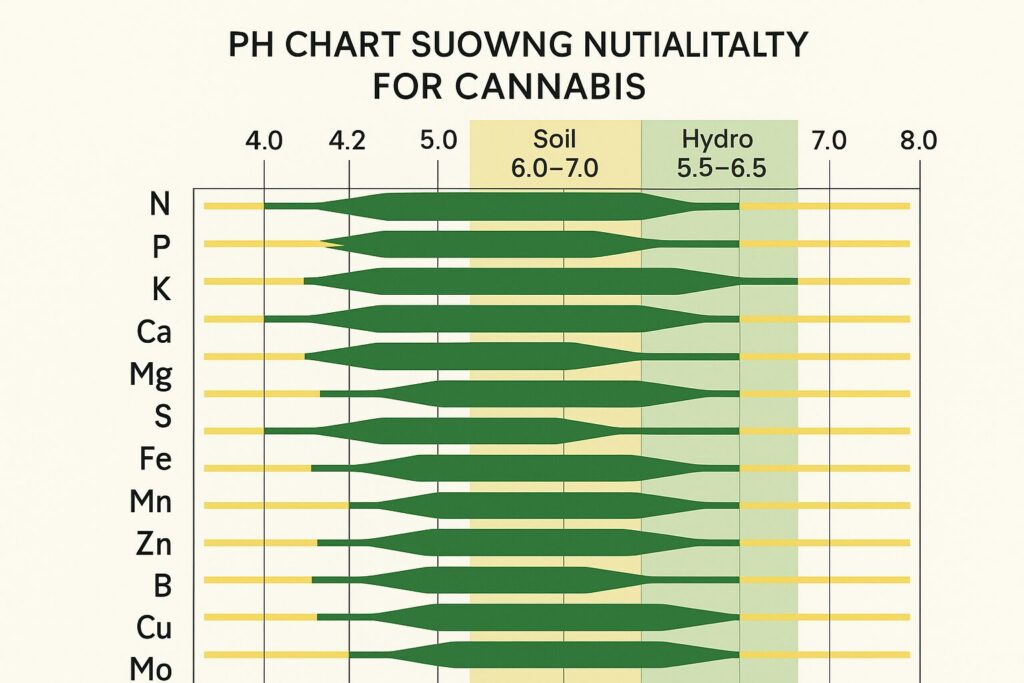
Figure 5: Nutrient availability across pH range showing optimal zones for soil and hydroponic growing
Understanding pH
pH measures acidity or alkalinity on a scale from 0 (most acidic) to 14 (most alkaline), with 7 being neutral. Cannabis grows best in slightly acidic conditions. pH affects nutrient availability—each nutrient is available to plants only within specific pH ranges.
Why pH Matters:
Nutrients exist in different chemical forms at different pH levels. Some forms are available to plants (can be absorbed by roots), while others are unavailable. When pH is outside the optimal range for a particular nutrient, that nutrient becomes “locked out”—it’s present but plants cannot absorb it.
This is why most nutrient deficiency symptoms result from pH problems rather than actual nutrient shortage. The nutrients are there, but wrong pH prevents absorption.
Optimal pH Ranges
Different growing media have different optimal pH ranges:
Soil: 6.0-7.0 (optimal 6.3-6.8)
Soil has natural buffering capacity that stabilizes pH. The slightly higher optimal range (compared to soilless/hydro) ensures availability of all nutrients. Most nutrients are available throughout this range.
Soilless (Coco, Peat): 5.8-6.5 (optimal 6.0-6.3)
Soilless media have less buffering capacity than soil. The slightly lower optimal range ensures micronutrient availability while maintaining macronutrient availability.
Hydroponics: 5.5-6.5 (optimal 5.8-6.2)
Hydroponic systems require the lowest pH range. The acidic conditions ensure micronutrient availability. pH in hydroponics should fluctuate slightly within the optimal range to ensure all nutrients are available at some point.
How pH Affects Nutrient Availability
Each nutrient has an optimal pH range for availability:
Nitrogen (N): Available 6.0-8.0 (soil), 5.5-7.5 (hydro) Phosphorus (P): Available 6.0-7.0 (soil), 5.5-6.5 (hydro) – very pH sensitive Potassium (K): Available 6.0-8.0 (soil), 5.5-7.5 (hydro) Calcium (Ca): Available 6.0-8.0 (soil), 5.5-7.0 (hydro) Magnesium (Mg): Available 6.0-8.0 (soil), 5.5-7.5 (hydro) Sulfur (S): Available 6.0-8.0 (soil), 5.5-7.5 (hydro) Iron (Fe): Available 5.5-6.5 (soil), 5.0-6.0 (hydro) – very pH sensitive Manganese (Mn): Available 5.5-6.5 (soil), 5.0-6.0 (hydro) Zinc (Zn): Available 5.5-7.0 (soil), 5.0-6.5 (hydro) Boron (B): Available 5.5-7.0 (soil), 5.0-6.5 (hydro) Copper (Cu): Available 5.5-7.0 (soil), 5.0-6.5 (hydro) Molybdenum (Mo): Available 6.5-8.0 (soil), 6.0-7.5 (hydro) – opposite of other nutrients
When pH is outside these ranges, nutrients become locked out. For example, iron becomes unavailable above pH 6.5-7.0. This is why iron deficiency is common when pH is too high—the iron is present but plants cannot absorb it.
Fixing pH Problems
Measuring pH:
Use quality digital pH meters or pH test drops. Cheap pH meters provide inaccurate readings that cause more problems than they solve. Calibrate digital meters regularly using calibration solutions.
Measure pH of nutrient solution before feeding and runoff water after feeding (for soil/soilless). For hydroponics, check reservoir pH daily.
Adjusting pH:
Use pH Up (potassium hydroxide or potassium carbonate) to raise pH or pH Down (phosphoric acid or citric acid) to lower pH. Add adjusters slowly and mix thoroughly. Recheck pH after adjusting.
For soil growing, adjust nutrient solution pH before feeding. For hydroponics, adjust reservoir pH as needed to maintain optimal range.
pH Drift:
pH naturally changes over time as plants absorb nutrients. In hydroponics, pH typically rises as plants consume acidic nutrients. Monitor pH regularly and adjust as needed.
Some pH drift is beneficial—allowing pH to fluctuate within the optimal range ensures all nutrients are available at some point. Don’t try to maintain exactly the same pH constantly.
Fixing Lockout:
If pH has been wrong and caused lockout, correcting pH allows plants to begin absorbing nutrients again. Wait 24-48 hours after correcting pH to see if symptoms improve before adding more nutrients.
If symptoms don’t improve after correcting pH, the deficiency may be actual nutrient shortage rather than lockout. At that point, supplement the deficient nutrient.
🔧 Nutrient Burn and Toxicity
While deficiencies result from too little nutrients, toxicity results from too much. Nutrient burn is the most common form of toxicity in cannabis cultivation.
Recognizing Nutrient Burn:
Nutrient burn causes leaf tips to turn brown and crispy, as if burned. This “tip burn” is the classic symptom. Tips turn yellow, then brown, then crispy and curl upward. Leaf edges may also turn brown.
In severe cases, brown areas spread from tips inward. Leaves may curl, twist, or “claw” (curl downward). Growth slows and plants appear dark green with nutrient burn.
Common Causes:
Nutrient burn occurs from feeding too much fertilizer (too high concentration), feeding too frequently without allowing plants to use nutrients, using “hot” soil with high nutrient content and adding more fertilizer, or accumulation of salts in growing medium from repeated feeding without flushing.
Treatment:
Reduce fertilizer concentration (use 1/2 to 3/4 strength). Feed less frequently, allowing medium to dry somewhat between feedings. Flush growing medium with plain pH-adjusted water (2-3 times the pot volume) to remove excess salts.
After flushing, resume feeding at reduced strength. Monitor plants and increase feeding strength gradually if needed.
Prevention:
Start with lower fertilizer concentrations (1/2 strength) and increase gradually based on plant response. Feed according to plant needs, not a rigid schedule. Allow growing medium to dry somewhat between feedings. Flush periodically (every 2-3 weeks) to prevent salt accumulation.
Remember: It’s easier to add more nutrients than to remove excess. Start light and increase as needed.
📂 Treatment Strategies
Effective treatment depends on accurate diagnosis and appropriate intervention. Following systematic treatment strategies ensures the best outcomes.
Immediate Actions
When deficiency symptoms appear, take these immediate actions:
Check pH: Measure pH of nutrient solution and runoff. If pH is outside optimal range, correct it before proceeding. Wait 24-48 hours after correcting pH to see if symptoms improve.
Check Feeding: Review recent feeding history. When was the last feeding? What strength? What nutrients? Determine whether deficiency is likely from insufficient feeding or from pH lockout preventing absorption.
Check Environment: Verify temperature, humidity, and light intensity are appropriate. Extreme environmental conditions can cause symptoms that mimic deficiencies or prevent nutrient uptake even when nutrients are available.
Remove Damaged Leaves: Severely damaged leaves (completely yellow, brown, or dead) won’t recover. Remove them to allow plants to focus energy on new growth. Don’t remove all damaged leaves at once—remove the worst and allow plants to recover.
Foliar Feeding
Foliar feeding (spraying fertilizer on leaves) provides fastest results for deficiency treatment. Nutrients are absorbed directly through leaves, bypassing root uptake issues.
Benefits:
Foliar feeding works within hours to days, much faster than soil feeding. It bypasses pH problems in growing medium. It’s effective for immobile nutrients that move slowly through plants.
How to Foliar Feed:
Use fertilizer at 1/4 to 1/2 strength to avoid leaf burn. Spray leaf undersides where stomata (pores) are located. Apply in early morning or late evening when stomata are open. Never spray under lights or in hot conditions—this causes leaf burn.
Spray until leaves are wet but not dripping. Repeat every 3-5 days until symptoms improve. Once symptoms stabilize, address root zone feeding to prevent recurrence.
Limitations:
Foliar feeding is temporary—it doesn’t fix underlying problems in growing medium or root zone. Use foliar feeding for immediate relief while addressing root causes. Don’t foliar feed during flowering—spray can damage flowers and increase mold risk.
Soil/Medium Amendments
For longer-term correction, amend growing medium with appropriate nutrients.
Liquid Fertilizers:
Provide immediate nutrient availability. Mix at appropriate strength and apply during regular watering. Results appear in 3-7 days for mobile nutrients, 5-10 days for immobile nutrients.
Dry Amendments:
Provide slow-release nutrients over time. Mix into soil surface or growing medium. Results appear in 7-14 days as amendments break down and release nutrients.
Supplements:
Use targeted supplements for specific deficiencies (Cal-Mag for calcium/magnesium, Epsom salt for magnesium/sulfur, etc.). Follow product instructions for application rates.
Flushing Techniques
Flushing removes excess nutrients and salts from growing medium, resetting the nutrient profile.
When to Flush:
Flush when nutrient burn occurs, when salt buildup is suspected (white crusty deposits on medium surface or pot edges), when transitioning between growth stages (vegetative to flowering), or when deficiency symptoms don’t improve with treatment (flushing removes potential antagonistic nutrients).
How to Flush:
Use plain pH-adjusted water at proper temperature (65-75°F). Pour water through growing medium slowly, allowing it to drain. Use 2-3 times the pot volume (for 5-gallon pot, use 10-15 gallons water).
Collect and discard runoff. Check runoff pH and EC/TDS (electrical conductivity/total dissolved solids). Continue flushing until runoff pH is in optimal range and EC/TDS is low.
After flushing, allow medium to dry somewhat before resuming feeding. Start with reduced-strength nutrients (1/2 strength) and increase gradually.
📋 Prevention Methods
Prevention is far easier than treatment. Following these practices prevents most nutrient problems.
Proper pH Management
Maintain pH within optimal ranges for your growing method. Check pH regularly—before every feeding for soil/soilless, daily for hydroponics. Calibrate pH meters regularly. Use quality pH adjusters.
Allow slight pH fluctuation within optimal range (don’t try to maintain exactly the same pH constantly). This ensures all nutrients are available at some point.
Quality Nutrients
Use complete cannabis-specific fertilizers that include all macro and micronutrients. Cheap fertilizers often lack micronutrients or use inferior forms that aren’t readily available.
Follow manufacturer instructions for application rates and schedules. Don’t mix nutrient lines from different manufacturers—they’re formulated to work together.
Feeding Schedules
Feed according to plant needs, not rigid schedules. Young plants need less nutrients than mature plants. Vegetative plants need different ratios than flowering plants.
Start with lower concentrations (1/2 strength) and increase based on plant response. Watch for signs of deficiency or excess and adjust accordingly.
Allow growing medium to dry somewhat between feedings. Constant wetness reduces oxygen availability and can cause root problems that prevent nutrient uptake.
Regular Monitoring
Inspect plants daily for early signs of problems. Check new growth and lower leaves—these are where deficiency symptoms first appear. Monitor pH regularly. Keep records of feeding (what, when, how much) to identify patterns if problems occur.
Catch problems early when they’re easy to fix. Severe deficiencies take weeks to correct and can permanently impact yields.
📂 Recovery and Monitoring
After implementing treatment, monitor plants to assess recovery and adjust treatment if needed.
Expected Recovery Times
Recovery time depends on nutrient mobility and deficiency severity:
Mobile Nutrients (N, P, K, Mg, Zn):
Symptoms stop progressing within 3-5 days of treatment. New growth appears healthy within 5-7 days. Damaged leaves don’t recover but new growth is normal.
Immobile Nutrients (Ca, S, Fe, Mn, B, Cu):
Symptoms stop progressing within 5-7 days of treatment. New growth appears healthy within 7-14 days. Recovery is slower because immobile nutrients don’t move to new growth quickly.
Severe Deficiencies:
Severe deficiencies take longer to correct—2-4 weeks for full recovery. Plants may never fully recover if deficiency occurred during critical growth periods.
Monitoring Progress
Check plants daily after treatment. Look for these signs of recovery:
Positive Signs:
Symptoms stop progressing to new leaves. New growth appears healthy and normal color. Growth rate increases. Plants appear more vigorous.
Negative Signs:
Symptoms continue progressing to new leaves. New growth appears deficient. Growth remains slow. These signs indicate treatment isn’t working—reassess diagnosis and treatment.
When to Adjust Treatment
If symptoms don’t improve within expected timeframes, reassess:
Check pH Again: pH may have drifted back outside optimal range. Correct if needed.
Verify Diagnosis: Review symptoms and confirm you’ve identified the correct deficiency. Misdiagnosis is common—symptoms can be similar between different deficiencies.
Check for Multiple Deficiencies: Severe pH problems or poor fertilization can cause multiple deficiencies simultaneously. Address all deficient nutrients.
Consider Environmental Factors: Temperature, humidity, or light stress can prevent recovery even when nutrients are adequate. Optimize environment.
Increase Treatment Intensity: If diagnosis is correct but recovery is slow, increase fertilizer concentration or foliar feeding frequency.
📂 Common Diagnostic Mistakes
Even experienced growers make diagnostic mistakes. Understanding common pitfalls helps you avoid them.
Not Checking pH First:
The most common mistake is diagnosing and treating specific deficiencies without checking pH. Most deficiencies result from pH lockout, not actual nutrient shortage. Always check pH first.
Misidentifying Mobile vs Immobile:
Confusing whether symptoms are on old or new growth leads to misdiagnosis. Pay careful attention to symptom location—this is the most important diagnostic clue.
Overfeeding:
Adding more nutrients when pH is wrong doesn’t fix deficiencies and causes nutrient burn. Fix pH before adding nutrients.
Treating Too Quickly:
After correcting pH, wait 24-48 hours to see if symptoms improve before treating for specific deficiencies. Many apparent deficiencies resolve once pH is correct.
Confusing Deficiency with Disease:
Some diseases cause symptoms similar to deficiencies. Verify you’re dealing with nutrient problems, not pests or diseases.
Removing Too Many Leaves:
Damaged leaves won’t recover, but don’t remove all damaged leaves at once. Remove the worst and allow plants to recover gradually.
Not Keeping Records:
Without records of feeding and pH, it’s difficult to identify patterns and causes of problems. Keep simple records of what you feed, when, and at what strength.
📊 Deficiency vs Disease
Some diseases and pest problems cause symptoms similar to nutrient deficiencies. Distinguishing between deficiency and disease is important for effective treatment.
Nutrient Deficiency Characteristics:
Symptoms appear gradually over days to weeks. Symptoms follow predictable patterns based on nutrient mobility. Symptoms are symmetrical (affect similar leaves on both sides of plant). Multiple plants in the same growing conditions show similar symptoms. Symptoms improve with nutrient treatment.
Disease/Pest Characteristics:
Symptoms may appear suddenly. Symptoms are random or asymmetrical (affect random leaves, not predictable patterns). Individual plants may be affected while others remain healthy. Symptoms don’t improve with nutrient treatment. Other signs of disease/pests are present (insects, webbing, mold, etc.).
Common Confusions:
Spider Mites vs Nutrient Deficiency: Spider mites cause yellow stippling on leaves that can resemble deficiency. Look for tiny insects, webbing, and random symptom distribution.
Powdery Mildew vs Nutrient Deficiency: Powdery mildew appears as white powder on leaves. This is clearly disease, not deficiency.
Root Rot vs Nutrient Deficiency: Root rot prevents nutrient uptake, causing deficiency symptoms. Check roots—healthy roots are white, rotted roots are brown and slimy.
When in doubt, check pH and examine plants carefully for signs of pests or disease before treating for deficiency.
❓ Frequently Asked Questions
❓ How do I know if it’s a deficiency or pH lockout?
Check pH first. If pH is outside optimal range (6.0-7.0 soil, 5.5-6.5 hydro), it’s likely lockout. Correct pH and wait 24-48 hours. If symptoms improve, it was lockout. If symptoms don’t improve, it’s actual deficiency.
❓ Can I treat multiple deficiencies at once?
Yes, but identify all deficient nutrients first. Use complete fertilizer that includes all deficient nutrients rather than treating each separately. Severe pH problems can cause multiple deficiencies—fix pH first.
❓ Why do my plants show deficiency symptoms even though I’m feeding heavily?
Heavy feeding doesn’t guarantee nutrient uptake. Check pH—wrong pH causes lockout regardless of how much you feed. Also check for nutrient burn—overfeeding can cause burn symptoms that coexist with deficiency symptoms from lockout.
❓ Should I remove yellow leaves?
Remove completely dead leaves. Leave partially affected leaves—they still photosynthesize and provide some benefit. Don’t remove all damaged leaves at once—this stresses plants. Remove the worst and allow gradual recovery.
❓ How long until deficiency symptoms disappear?
Damaged leaves don’t recover—they remain damaged. Look for healthy new growth as the sign of recovery. New growth should appear healthy within 5-14 days depending on nutrient mobility.
❓ Can I foliar feed during flowering?
Avoid foliar feeding during flowering—spray can damage flowers and increase mold risk. If necessary, spray very carefully, avoiding flowers. Soil/medium feeding is safer during flowering.
❓ What’s the difference between yellowing from nitrogen deficiency and natural senescence?
Natural senescence (aging) occurs late in flowering as plants redirect nutrients to flowers. Lower leaves yellow gradually. Nitrogen deficiency occurs earlier and progresses more rapidly. If yellowing occurs during vegetative growth or early flowering, it’s deficiency. If it occurs in final 2-3 weeks of flowering, it may be natural.
❓ My plants show symptoms on both old and new growth. What does this mean?
Symptoms on both old and new growth simultaneously usually indicate severe pH lockout affecting multiple nutrients, severe deficiency of multiple nutrients, or environmental stress rather than simple deficiency. Check pH first, then assess environmental conditions.
❓ How do I prevent nutrient problems?
Maintain proper pH, use quality complete fertilizers, feed according to plant needs (not rigid schedules), monitor plants regularly for early signs of problems, and keep records of feeding and pH.
❓ Can I use the same nutrients for soil and hydroponics?
No. Soil nutrients and hydroponic nutrients are formulated differently. Soil nutrients assume some nutrients are provided by soil. Hydroponic nutrients must provide everything. Use nutrients designed for your growing method.
📂 References
[1] Caplan, D., Dixon, M., & Zheng, Y. (2017). Optimal rate of organic fertilizer during the vegetative stage for cannabis grown in two coir-based substrates. HortScience, 52(9), 1307-1312. https://journals.ashs.org/hortsci/view/journals/hortsci/52/9/article-p1307.xml
[2] Cockson, P., Landis, H., Smith, T., Hicks, K., & Whipker, B. E. (2019). Characterization of nutrient disorders of cannabis sativa. Applied Sciences, 9(20), 4432. https://www.mdpi.com/2076-3417/9/20/4432
[3] Landis, H., Cockson, P., & Whipker, B. E. (2019). Hydroponic lettuce production using water-soluble cannabidiol as a sole nitrogen source. HortTechnology, 29(6), 787-797. https://journals.ashs.org/horttech/view/journals/horttech/29/6/article-p787.xml
[4] Saloner, A., & Bernstein, N. (2020). Response of medical cannabis (Cannabis sativa L.) to nitrogen supply under long photoperiod. Frontiers in Plant Science, 11, 572293. https://www.frontiersin.org/articles/10.3389/fpls.2020.572293/full
[5] Shiponi, S., & Bernstein, N. (2021). The highs and lows of P supply in medical cannabis: Effects on cannabinoids, the ionome, and morpho-physiology. Frontiers in Plant Science, 12, 657323. https://www.frontiersin.org/articles/10.3389/fpls.2021.657323/full
[6] Hawley, D., Graham, T., Stasiak, M., & Dixon, M. (2018). Improving cannabis bud quality and yield with subcanopy lighting. HortScience, 53(11), 1593-1599. https://journals.ashs.org/hortsci/view/journals/hortsci/53/11/article-p1593.xml
[7] Bernstein, N., Gorelick, J., Zerahia, R., & Koch, S. (2019). Impact of N, P, K, and humic acid supplementation on the chemical profile of medical cannabis (Cannabis sativa L.). Frontiers in Plant Science, 10, 736. https://www.frontiersin.org/articles/10.3389/fpls.2019.00736/full
This guide is for educational purposes only. Always check local laws regarding cannabis cultivation before starting to grow.