
Table of Contents
🔍 Introduction
Complete grow kits promise everything you need to start growing cannabis in one convenient package. But are they worth it? Do they really include everything? And how do they compare to building your own setup by selecting individual components?
This comprehensive guide examines complete grow kits at every price point, from budget $300 starter kits to premium $2000+ professional setups. We’ll break down exactly what’s included, what’s missing, and whether kits offer good value compared to DIY component selection.
Whether you’re a complete beginner looking for simplicity or an experienced grower evaluating kit options, this guide provides the information you need to make an informed decision. We’ll cover the pros and cons of kits, identify the best values at each price point, and show you how to build your own “kit” for maximum value.
For quality genetics to grow in your new setup, visit Seedbanks.com and OfficialCannabisSeeds.com. European growers can find resources at Weed.de. For strain information and growing tips, check Weedmaps.com.
📂 Key Takeaways
Complete Kits Save Time But Cost More: Pre-packaged grow kits are convenient and eliminate research, but typically cost 10-20% more than buying components separately. Best for absolute beginners who value simplicity over savings. Experienced growers usually prefer selecting individual components.
Budget Kits ($300-500) Work But Have Limitations: Entry-level kits use lower-quality components—blurple LEDs, thin tent material, cheap fans. They work for learning but expect to replace lights and fans within 1-2 years. Good for testing if growing is right for you before investing more.
Mid-Range Kits ($600-1000) Offer Best Value: Quality components that last multiple grows, good performance, reasonable price. Best choice for most growers who want a complete solution without researching every component. Components are adequate for long-term use.
Kits Always Miss Critical Items: No grow kit includes seeds, nutrients, pH/EC meters, or growing medium. Budget an additional $150-300 for these essentials. Marketing claims of “complete” kits are misleading—you’ll need to buy more items.
DIY Component Selection Saves Money and Gets Exactly What You Want: Building your own “kit” by selecting individual components saves 15-25% and allows you to choose exactly what you want. Best for growers willing to research. Our individual equipment guides make this easy.
📊 Complete Kits vs Individual Components
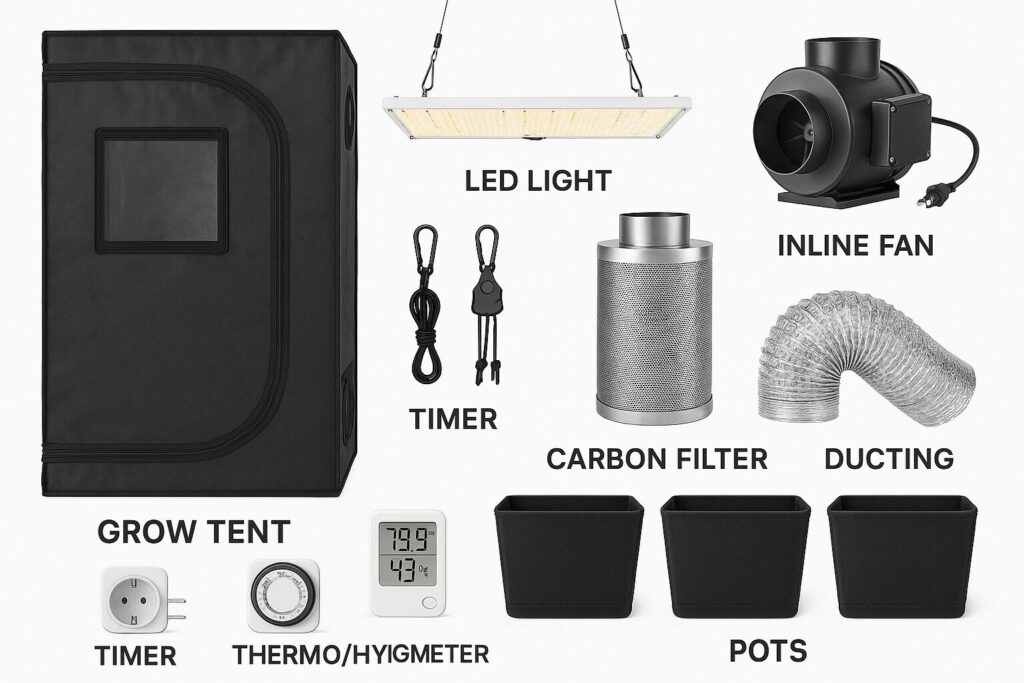
Figure 1: Typical components included in a complete grow kit
The fundamental question: should you buy a complete kit or select individual components?
Advantages of Complete Kits:
Convenience: Everything arrives together in one order. No need to research individual components or ensure compatibility. Setup instructions often included. Good for beginners overwhelmed by choices.
Time Savings: Eliminates hours of research comparing lights, fans, tents, and filters. Vendor has done compatibility checking. Faster to order and receive everything at once.
Beginner-Friendly: Kits are designed for beginners with simplified setup. Instructions usually included. Reduces decision paralysis from too many options.
Sometimes Bundled Discounts: Occasionally kits offer genuine savings over buying components separately. More common during sales or promotions.
Disadvantages of Complete Kits:
Higher Cost: Kits typically cost 10-20% more than buying components separately. You’re paying for convenience. Bundling allows vendors to include lower-quality components at higher prices.
Lower Quality Components: Budget and mid-range kits often include cheaper components to hit price points. Lights, fans, and filters are usually the compromised items. Premium kits use better components but cost significantly more.
Less Flexibility: You get what the vendor chose, not necessarily what’s best for your situation. Can’t optimize for your specific needs (stealth, yield, budget allocation).
Harder to Upgrade: Kits are designed as complete units. Upgrading one component may require replacing others for compatibility.
Marketing Misleads: “Complete” kits are never truly complete. Seeds, nutrients, growing medium, and measuring tools always sold separately.
Advantages of Individual Component Selection:
Lower Cost: Buying components separately saves 15-25% compared to kits. You can shop sales and find best prices for each item.
Higher Quality: You choose exactly which components to buy. Can invest more in critical items (lights) and less in others. No vendor-chosen compromises.
Perfect Fit: Select components optimized for your specific situation. Choose tent size, light power, and ventilation capacity based on your exact needs.
Easier Upgrades: Individual components can be upgraded independently. Replace light without changing tent or ventilation.
Better Understanding: Researching and selecting components teaches you how systems work. Valuable knowledge for troubleshooting and optimization.
Disadvantages of Individual Component Selection:
Time Investment: Requires research to understand options and ensure compatibility. Can be overwhelming for complete beginners.
Compatibility Concerns: Must ensure components work together (fan CFM matches filter, ducting fits ports, etc.). Mistakes possible without research.
Multiple Orders: Components may come from different vendors. More packages to track and receive.
Decision Paralysis: Too many options can overwhelm beginners. Analysis paralysis delays starting.
Who Should Buy Kits:
Complete beginners who want simplicity. Growers with limited time for research. People testing if growing is right for them. Buyers who value convenience over cost savings. Gift purchases for others.
Who Should Buy Individual Components:
Experienced growers who know what they want. Budget-conscious buyers willing to research. Growers with specific requirements (stealth, maximum yield, etc.). People who enjoy researching and optimizing. Anyone planning to grow long-term.
Our Recommendation:
For absolute beginners: Consider mid-range kit ($600-1000) for convenience, but understand you’re paying premium. For everyone else: Build your own “kit” using our individual equipment guides—you’ll save money and get better components.
🌱 Budget Grow Kits ($300-500)
Budget kits target beginners with limited funds. They work but have significant limitations.
What You Get:
Typical Components:
- 2×2 or 2×4 grow tent (thin material, 400-600D)
- Blurple LED or cheap quantum board (100-150W actual draw)
- Basic inline fan (190-250 CFM, loud, no speed control)
- Carbon filter (often undersized or poor quality)
- Ducting and clamps
- Rope hangers for light
- Sometimes: timer, thermometer/hygrometer, basic tools
Performance Expectations:
Adequate for 1-2 plants. Expect 1-3 oz per harvest with proper care. Blurple LEDs work but are inefficient and produce less yield than modern white LEDs. Fans are loud and may fail within 1-2 years. Tents have thin material that may tear or leak light.
Popular Budget Kits:
VIVOSUN 2×2 Complete Kit ($300-400):
- 2x2x4 tent (48″x24″x60″)
- 300W blurple LED (actual 130W)
- 4-inch inline fan and filter
- Basic accessories
Pros: Very affordable, everything to start growing. Cons: Blurple LED inefficient, loud fan, small tent limits plant count.
Spider Farmer 2×2 Starter Kit ($400-500):
- 2×2 tent
- SF1000 LED (100W Samsung diodes)
- 4-inch fan and filter
- Accessories
Pros: Better LED than blurple, good for 1-2 plants. Cons: Small tent, basic fan, limited capacity.
Who Budget Kits Are For:
Absolute beginners testing if growing is right for them. Growers with very limited budget. People growing 1-2 plants maximum. Temporary or experimental setups.
Budget Kit Limitations:
Lights: Blurple LEDs are outdated technology. Inefficient, poor spectrum, lower yields. Modern white LEDs (Samsung/Osram diodes) produce 30-50% more yield per watt.
Fans: Cheap fans are loud (50-60 dB), lack speed control, and fail quickly. No temperature/humidity automation.
Tents: Thin material (400-600D) tears easily, zippers fail, light leaks common. Poor reflectivity compared to quality tents.
Filters: Undersized or poor-quality carbon. May not eliminate all odor. Shorter lifespan (6-12 months vs 18-24 months).
Expected Upgrades:
Most budget kit buyers upgrade lights within 1-2 grows. Fans often replaced due to noise or failure. Tents may last if treated carefully. Filters need replacement after 6-12 months.
Budget Kit Verdict:
Budget kits work for learning but aren’t long-term solutions. If budget is tight, consider buying used equipment or saving for mid-range kit. Budget kits cost $300-500 initially but often require $200-400 in upgrades within a year.
🌱 Mid-Range Grow Kits ($600-1000)
Mid-range kits offer the best balance of quality, performance, and value. Best choice for most growers.
What You Get:
Typical Components:
- 2×4, 3×3, or 4×4 grow tent (quality material, 600-1680D)
- Quality LED with Samsung/Osram diodes (200-400W)
- Good inline fan with speed control (200-400 CFM)
- Quality carbon filter properly sized
- Ducting, hangers, timer, thermometer/hygrometer
- Sometimes: oscillating fans, hygrometer, plant ties
Performance Expectations:
Adequate for 2-6 plants depending on tent size. Expect 4-12 oz per harvest with proper care. Quality LEDs produce good yields. Fans are quieter and more reliable. Tents are durable and light-tight.
Popular Mid-Range Kits:
AC Infinity 4×4 Complete Kit ($800-1000):
- 4x4x7 tent (Gorilla or AC Infinity brand)
- AC Infinity IONBOARD S44 LED (400W Samsung diodes)
- AC Infinity CLOUDLINE T6 fan with controller
- AC Infinity carbon filter
- Complete accessories
Pros: Excellent components, quiet fan with automation, quality LED, expandable system. Cons: Higher price, may be overkill for 1-2 plants.
Spider Farmer 4×4 Complete Kit ($700-900):
- 4×4 tent
- SF4000 LED (450W Samsung diodes)
- 6-inch inline fan with speed control
- Carbon filter
- Accessories
Pros: Proven LED, good value, adequate components. Cons: Fan not as sophisticated as AC Infinity.
Mars Hydro 3×3 Complete Kit ($600-800):
- 3×3 tent
- Mars Hydro TS 1000 or FC 3000 LED
- 4-inch or 6-inch fan with controller
- Filter and accessories
Pros: Good value, quality LED, adequate tent size for 2-4 plants. Cons: Smaller than 4×4, limits plant count.
Who Mid-Range Kits Are For:
Serious beginners planning multiple grows. Growers wanting quality without extensive research. People growing 2-6 plants. Buyers wanting components that last multiple years.
Mid-Range Kit Advantages:
Lights: Samsung or Osram diodes provide excellent efficiency and spectrum. Comparable to premium lights. Produce good yields with proper use.
Fans: Speed control allows noise reduction. Some include temperature/humidity automation. Quieter operation (35-45 dB). More reliable than budget fans.
Tents: Quality material (600-1680D) is durable and light-tight. Better zippers and stitching. Good reflectivity. Lasts many years with care.
Filters: Properly sized for tent and fan. Quality carbon lasts 18-24 months. Effectively eliminates odor.
Expected Longevity:
Mid-range kit components typically last 3-5+ years with proper care. LEDs last 50,000+ hours (10+ years of 12/12 use). Fans last 3-5 years. Tents last indefinitely if not abused. Filters need replacement every 18-24 months.
Mid-Range Kit Verdict:
Best value for most growers. Quality components that last. Adequate performance for good yields. Worth the investment over budget kits. Minimal upgrades needed.
🌱 Premium Grow Kits ($1000-2000+)
Premium kits use top-tier components for maximum performance and longevity.
What You Get:
Typical Components:
- Premium tent (Gorilla, Secret Jardin, 1680D)
- High-end LED (HLG, Gavita, Lumatek, 500-800W)
- Premium fan (AC Infinity, Can-Fan, with full automation)
- High-quality filter (Can-Filter, Phresh)
- Complete accessories and extras
- Sometimes: dehumidifier, extra fans, CO2 system
Performance Expectations:
Supports 4-12 plants depending on tent size. Expect 12-32+ oz per harvest with proper care. Maximum efficiency and yield potential. Professional-grade components. Quietest operation. Longest lifespan.
Popular Premium Kits:
Gorilla 5×5 Professional Kit ($1500-2000):
- Gorilla 5×5 tent (tallest, strongest tent available)
- HLG 650R LED (650W, top-tier efficiency)
- AC Infinity CLOUDLINE PRO with Controller 69
- Can-Filter 66 carbon filter
- Premium accessories
Pros: Best components available, maximum height, professional quality. Cons: Expensive, overkill for small grows.
Gavita Complete 4×4 Kit ($1200-1600):
- Quality 4×4 tent
- Gavita 1700e LED (645W, commercial-grade)
- High-CFM fan with controller
- Professional filter
- Accessories
Pros: Commercial-grade LED, proven in professional grows. Cons: High power consumption, expensive.
Who Premium Kits Are For:
Experienced growers wanting best equipment. Commercial or semi-commercial growers. People growing 6+ plants. Buyers who want buy-once-cry-once quality. Growers maximizing yield and quality.
Premium Kit Advantages:
Lights: Top-tier efficiency (2.7-3.0+ μmol/J). Maximum yield potential. Uniform coverage. Dimmable and programmable. Commercial-grade reliability.
Fans: Whisper-quiet operation (25-35 dB). Full automation with temperature, humidity, and VPD control. Smartphone connectivity. Extremely reliable.
Tents: Gorilla tents offer maximum height (7-8+ feet) and strongest frames. Thickest material (1680D). Best zippers and construction. Lifetime warranty.
Filters: Largest carbon bed, longest lifespan (24-36 months). Complete odor elimination. Professional-grade construction.
Expected Longevity:
Premium components last 5-10+ years. LEDs last 100,000+ hours. Fans last 5-10 years. Tents have lifetime warranties. Filters last 2-3 years.
Premium Kit Verdict:
Excellent quality but expensive. Only worth it for serious or commercial growers. Most home growers don’t need premium components—mid-range kits perform nearly as well for fraction of cost. Buy premium if you’re growing long-term and want absolute best.
🌱 What’s Included in Grow Kits
Understanding what’s included helps you evaluate kit value.
Always Included:
Grow Tent: Reflective tent with frame, usually 2×2 to 5×5. Quality varies by price point.
Grow Light: LED (sometimes HPS in older kits). Power and quality vary dramatically by price.
Ventilation Fan: Inline fan for exhaust. CFM rating should match tent size.
Carbon Filter: For odor control. Size should match fan CFM.
Ducting: Flexible ducting to connect fan and filter. Usually 4-inch or 6-inch diameter.
Hangers/Ratchets: Rope ratchets or chains to hang light.
Sometimes Included:
Timer: Outlet timer for light schedule. Essential but not always included.
Thermometer/Hygrometer: Temperature and humidity monitor. Quality varies.
Oscillating Fan: Clip fan for air circulation. Often missing in budget kits.
Plant Ties/Stakes: Training accessories. Rarely included.
Instruction Manual: Setup guide. Quality varies dramatically.
Rarely Included:
Speed Controller: For fan speed adjustment. Missing in budget kits.
Extra Ducting: Usually only enough for basic setup.
Replacement Parts: Filters, ducting clamps, etc.
📂 What’s NOT Included (Critical Items)
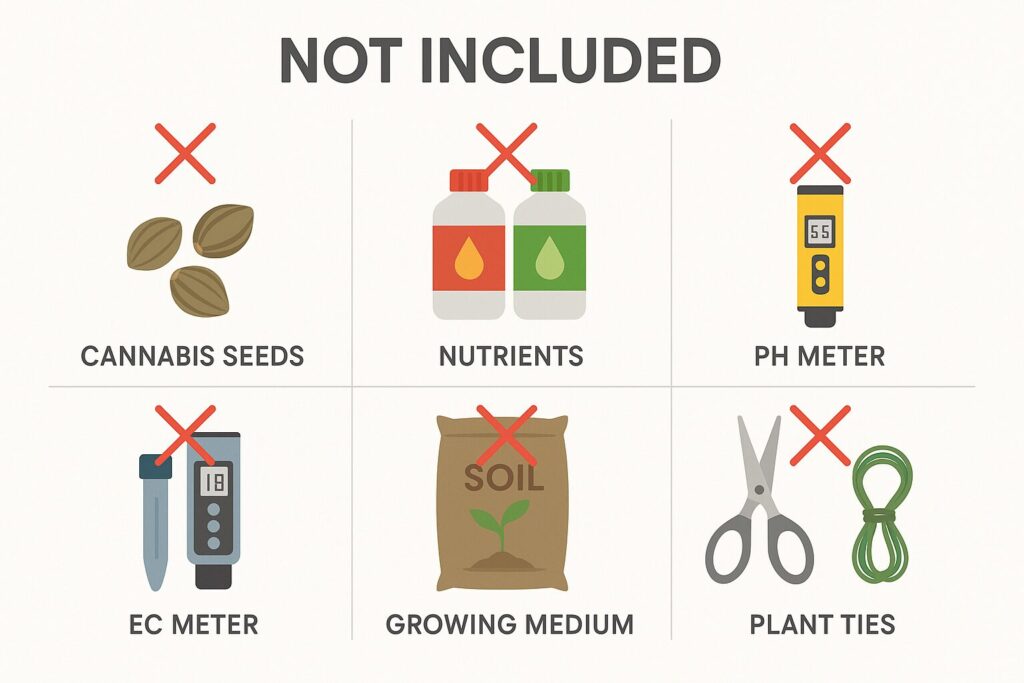
Figure 3: Critical items NOT included in grow kits that must be purchased separately
No grow kit includes everything you need. Budget $150-300 for these essentials.
Seeds:
Obviously not included due to legal restrictions. You’ll need to source seeds separately from Seedbanks.com, OfficialCannabisSeeds.com, or other seed banks.
Budget: $30-100 for 3-10 seeds depending on strain and breeder.
Nutrients:
Never included in kits. You’ll need complete nutrient line for vegetative and flowering stages.
Budget: $50-150 for complete nutrient set. See our Cannabis Nutrients Guide.
Growing Medium:
Soil, coco coir, or other growing medium not included. You’ll need enough for all pots.
Budget: $20-60 for soil/coco for 2-6 plants.
Pots/Containers:
Sometimes included in premium kits but usually not. You’ll need fabric pots or plastic containers.
Budget: $20-40 for 4-8 fabric pots.
pH and EC Meters:
Critical for proper feeding but never included in kits. Don’t skip these—they prevent most nutrient problems.
Budget: $100-180 for quality pH meter (Apera pH20, $50-60) and EC meter (Apera EC20, $50-60). See our Growing Tools Guide.
Trimming Scissors:
Not included. You’ll need 2-3 pairs for harvest.
Budget: $20-50 for quality scissors.
Drying Rack:
For drying harvest. Never included.
Budget: $20-40 for mesh drying rack.
Curing Jars:
Mason jars for curing. Not included.
Budget: $15-30 for 12 quart jars.
Humidity Packs:
Boveda or Integra Boost for curing. Not included.
Budget: $10-20 for pack of 10.
Watering Equipment:
Watering can, pump sprayer, or drip system. Not included.
Budget: $10-100 depending on system. See our Watering Systems Guide.
Plant Training Accessories:
Ties, stakes, trellis netting. Rarely included.
Budget: $20-40 for complete training kit.
Total Additional Costs:
Minimum: $150-200 (seeds, basic nutrients, cheap meters, minimal tools)
Recommended: $250-350 (quality meters, complete nutrients, proper tools)
Complete: $400-500 (everything above plus extras and backup supplies)
Important: When comparing kit prices, add $200-350 to get true total cost to start growing.
🔧 Building Your Own DIY Kit
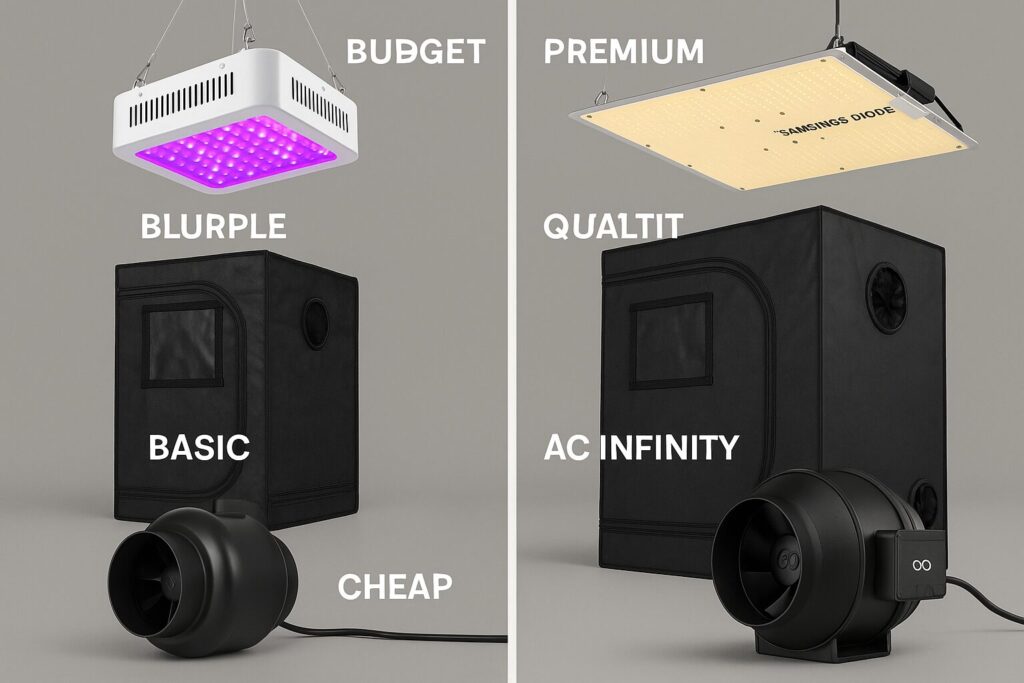
Figure 2: Comparison of budget vs premium grow kit components
Building your own “kit” by selecting individual components saves 15-25% and gets exactly what you want.
DIY Budget Kit ($500-650 Total):
For 2-4 plants, maximum value:
- Tent: VIVOSUN 3×3 ($80-100)
- Light: Spider Farmer SF2000 or Mars Hydro TS 1000 ($150-200)
- Fan: AC Infinity CLOUDLINE T4 ($100-130)
- Filter: AC Infinity 4-inch filter ($40-50)
- Ducting and accessories: ($30-40)
- Timer, thermometer, hangers: ($20-30)
Total: $420-550 vs $600-700 for equivalent kit. Savings: $150-180 (25-30%)
DIY Mid-Range Kit ($800-1000 Total):
For 4-6 plants, best value:
- Tent: AC Infinity 4×4 or Mars Hydro 4×4 ($150-200)
- Light: Spider Farmer SF4000 or Mars Hydro FC 4800 ($350-450)
- Fan: AC Infinity CLOUDLINE T6 with Controller 69 ($150-200)
- Filter: AC Infinity 6-inch filter ($60-80)
- Ducting and accessories: ($40-60)
- Oscillating fans (2): ($30-50)
- Timer, thermometer, extras: ($30-50)
Total: $810-1090 vs $1000-1300 for equivalent kit. Savings: $190-300 (20-25%)
DIY Premium Kit ($1200-1600 Total):
For 6-12 plants, maximum performance:
- Tent: Gorilla 4×4 or 5×5 ($400-600)
- Light: HLG 600 Rspec or Gavita 1700e ($650-850)
- Fan: AC Infinity CLOUDLINE PRO T6 ($200-250)
- Filter: Can-Filter 66 or Phresh Filter ($100-140)
- Ducting and premium accessories: ($60-80)
- Multiple oscillating fans: ($60-100)
- Complete extras: ($50-80)
Total: $1520-2100 vs $1800-2400 for equivalent kit. Savings: $280-400 (15-20%)
How to Build DIY Kit:
Step 1: Determine tent size based on plant count and space. See our Grow Tent Guide.
Step 2: Select light based on tent size. See our LED Grow Light Guide.
Step 3: Choose fan and filter based on tent size. See our Ventilation Guide.
Step 4: Add accessories (timer, thermometer, hangers, fans).
Step 5: Order all components. Track shipments.
Step 6: Set up following our Complete Cultivation Guide.
DIY Advantages:
Save 15-25% compared to kits. Choose exactly what you want. Invest more in critical components (lights). Learn how system works. Easier to upgrade individual components later.
DIY Disadvantages:
Requires research time. Must ensure compatibility. Multiple orders to track. Potential for mistakes without experience.
Our Recommendation:
Use our individual equipment guides to build your own kit. You’ll save money and get better components. Our guides make it easy—no extensive research needed.
📂 Upgrade Paths
Most growers upgrade components over time. Understanding upgrade paths helps plan long-term.
Common Upgrade Sequence:
Year 1: Start with budget or mid-range kit. Learn growing basics.
Year 2: Upgrade light to higher-quality LED. Biggest yield improvement.
Year 3: Upgrade fan to quieter model with automation. Improve environment control.
Year 4: Upgrade tent to larger size or better quality. Increase plant count.
Year 5+: Add climate control (dehumidifier, AC), CO2 system, automation.
Most Impactful Upgrades:
1. Light Upgrade (Highest ROI):
Upgrading from blurple to quality white LED increases yields 30-50%. Upgrading from budget white LED to premium increases yields 10-20%. Most impactful upgrade for yield and quality.
Budget: $150-850 depending on tent size.
2. Fan Upgrade (Biggest Quality of Life):
Upgrading to quiet fan with automation dramatically improves experience. Reduces noise from 55+ dB to 30-40 dB. Automation maintains optimal environment.
Budget: $100-250 depending on size.
3. Tent Upgrade (Enables Scaling):
Upgrading to larger tent allows more plants and higher yields. Better quality tent improves light-tightness and durability.
Budget: $150-600 depending on size and quality.
4. Climate Control (Advanced):
Adding dehumidifier, AC, or heater enables precise environment control. Critical for maximizing quality. Only needed after mastering basics.
Budget: $150-500 depending on equipment.
5. Automation (Convenience):
Smart controllers, automatic watering, monitoring systems. Reduces daily work. Improves consistency.
Budget: $100-500 depending on sophistication.
Upgrade Strategy:
Start with adequate kit or DIY setup. Master growing basics for 1-2 grows. Identify your specific limitations (yield, environment, convenience). Upgrade components that address your specific needs. Don’t upgrade everything at once—prioritize based on impact.
📊 Brand Comparison
Understanding brand reputations helps evaluate kits.
Tent Brands:
Gorilla: Premium brand, highest quality, tallest tents, lifetime warranty. Most expensive.
AC Infinity: Quality tents at mid-range prices. Good value.
Mars Hydro: Adequate quality, budget-friendly.
VIVOSUN: Budget brand, thin material, adequate for beginners.
Secret Jardin: Premium European brand, excellent quality.
Light Brands:
HLG (Horticulture Lighting Group): Premium LEDs, top efficiency, expensive.
Gavita: Commercial-grade, proven performance, high power.
Spider Farmer: Mid-range, good value, Samsung diodes.
Mars Hydro: Budget to mid-range, adequate performance.
AC Infinity: Newer to lights, quality components, good value.
VIVOSUN: Budget brand, blurple LEDs outdated.
Fan Brands:
AC Infinity: Best fans for cannabis growing, quiet, automation, excellent quality.
Can-Fan: Professional-grade, expensive, very reliable.
VIVOSUN: Budget fans, loud, basic functionality.
Hurricane: Mid-range, adequate performance.
Filter Brands:
Can-Filter: Premium filters, longest lifespan, best odor control.
Phresh Filter: Premium, excellent performance.
AC Infinity: Mid-range, good value, adequate performance.
VIVOSUN: Budget filters, shorter lifespan.
Kit Brand Recommendations:
Best Overall Value: AC Infinity complete kits—quality components, good prices, excellent fan/filter integration.
Best Budget: Spider Farmer or Mars Hydro kits—better LEDs than VIVOSUN, reasonable prices.
Best Premium: Gorilla tent + HLG light + AC Infinity fan—top components, maximum performance.
Avoid: Ultra-cheap Amazon kits from unknown brands—poor quality, short lifespan, frustrating experience.
💡 Best Value Recommendations
Our top picks for different situations and budgets.
Best Budget Kit ($400-500):
Spider Farmer 2×2 Complete Kit ($400-500)
Why: Better LED than competitors, adequate fan and filter, good for 1-2 plants. Best budget option for beginners.
Best Mid-Range Kit ($700-900):
AC Infinity 4×4 Complete Kit ($800-1000)
Why: Quality components across the board, excellent fan with automation, good LED, expandable system. Best value for most growers.
Best Premium Kit ($1500-2000):
DIY: Gorilla 4×4 + HLG 600 Rspec + AC Infinity CLOUDLINE PRO
Why: Top-tier components, maximum performance, buy-once-cry-once quality. Better value building yourself than buying pre-packaged premium kit.
Best DIY Budget ($500-650):
3×3 tent + Spider Farmer SF2000 + AC Infinity T4 fan
Why: Saves $150-200 vs kit, better component selection, adequate for 2-4 plants.
Best DIY Mid-Range ($800-1000):
4×4 tent + Spider Farmer SF4000 + AC Infinity T6 with Controller 69
Why: Saves $200-300 vs kit, excellent components, supports 4-6 plants, room to expand.
Best for Beginners:
Mid-range complete kit ($700-900)
Why: Eliminates research, adequate quality, worth convenience premium for first grow.
Best for Experienced Growers:
DIY component selection
Why: Saves money, gets exactly what you want, leverages your knowledge.
Best for Maximum Yield:
Premium DIY with HLG or Gavita lights
Why: Top-tier lights produce maximum yields, worth investment for serious growers.
Best for Stealth:
AC Infinity kit with CLOUDLINE PRO fan
Why: Quietest fans available, excellent odor control, minimal noise.
❓ Frequently Asked Questions
Are complete grow kits worth it?
For absolute beginners, yes—convenience is worth 10-20% premium. For experienced growers or anyone willing to research, no—building your own kit saves money and gets better components. Use our equipment guides to easily build your own kit.
What’s NOT included in grow kits?
Seeds, nutrients, growing medium, pots, pH/EC meters, trimming scissors, drying rack, curing jars, and humidity packs. Budget $150-300 additional for these essentials. No kit is truly “complete.”
Should I buy a budget kit or save for mid-range?
Save for mid-range if possible. Budget kits work but you’ll likely upgrade lights and fans within 1-2 years, spending more total. Mid-range kits have quality components that last. If budget is very tight, buy used equipment or build DIY budget kit.
How much can I yield from a complete grow kit?
Budget kits (2×2): 1-3 oz per harvest. Mid-range kits (3×3 or 4×4): 4-12 oz per harvest. Premium kits (4×4 or 5×5): 12-32+ oz per harvest. Actual yields depend heavily on growing skill, strain, and care.
Can I upgrade individual components later?
Yes. Lights, fans, and filters can be upgraded independently. Tents are harder to upgrade (requires moving everything). Start with adequate tent size and upgrade lights/fans as needed.
What size grow kit do I need?
2×2: 1-2 plants. 3×3: 2-4 plants. 4×4: 4-6 plants. 5×5: 6-12 plants. Consider future plans—easier to start with larger tent than upgrade later. See our Grow Tent Guide for detailed sizing.
Are blurple LEDs in budget kits okay?
Blurple LEDs work but are outdated and inefficient. Modern white LEDs (Samsung/Osram diodes) produce 30-50% more yield per watt. Avoid blurple if possible—worth spending extra $50-100 for white LED.
How long do grow kit components last?
Budget kits: 1-3 years before upgrades needed. Mid-range kits: 3-5+ years. Premium kits: 5-10+ years. LEDs last longest (50,000-100,000 hours). Fans last 3-10 years depending on quality. Filters need replacement every 12-24 months.
Should I buy from Amazon or hydroponic shop?
Amazon often has better prices and faster shipping. Hydroponic shops offer expert advice and support local business. For kits, Amazon is usually cheaper. For individual components, compare prices. Buy pH/EC meters from reputable sources—avoid ultra-cheap Amazon meters.
What’s the best complete grow kit for beginners?
AC Infinity 4×4 Complete Kit ($800-1000) offers best balance of quality, performance, and value. If budget is tighter, Spider Farmer 3×3 kit ($600-800). If budget allows, Gorilla tent + quality components ($1200-1600).
📂 References
[1] Chandra, S., Lata, H., & ElSohly, M. A. (2017). Cannabis sativa L. – Botany and Biotechnology. Springer International Publishing.
[2] Caplan, D., Dixon, M., & Zheng, Y. (2017). Optimal rate of organic fertilizer during the vegetative-stage for cannabis grown in two coir-based substrates. HortScience, 52(9), 1307-1312.
📋 Related Guides
Individual Equipment Guides (Build Your Own Kit):
- LED Grow Light Buyer’s Guide
- Grow Tent Buyer’s Guide
- Ventilation and Carbon Filter Guide
- Climate Control Equipment Guide
- Cannabis Nutrients Buyer’s Guide
- Watering Systems & Irrigation Guide
- Growing Tools & Accessories Guide
Complete Growing Guides:
Troubleshooting Guides:
Technique Guides:
Ready to start your growing journey? Browse our complete growing supplies including complete kits and individual components for building your perfect setup.
Looking for quality genetics? Visit OfficialCannabisSeeds.com for premium cannabis seeds from trusted breeders worldwide.
European growers: Find localized resources, products, and information at Weed.de.
Need strain information? Check Weedmaps.com for detailed strain reviews, growing tips, and cultivation advice from experienced growers.
Interested in pre-rolled options? After your successful harvest, visit PreRollJoints.com for premium pre-rolled products and accessories.
This guide is for educational purposes only. Always check local laws regarding cannabis cultivation before starting to grow.